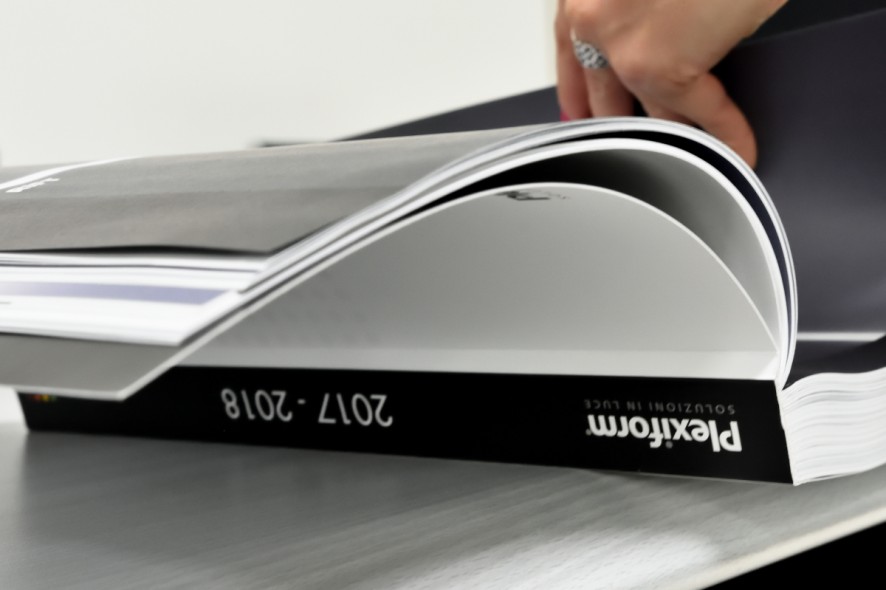
If you have had the chance to read the previous article on how a new Rossini Illuminazione catalogue is produced, you’ll already have some idea of the work “hidden” between the pages of a new publication. We talked about commitment, enthusiasm, organisation and experience, all elements that a product catalogue needs to convey through its pages. But of course the luminaires in all their different sizes and models always remain the fundamental ingredient, and now we’ll tell you how we did it. We start by reminding you that Rossini Illuminazione products are divided into two catalogues, DECO and TECH, in other words, two ways of shaping and describing light that share the expertise of a brand specialised in designing ad hoc lighting systems. A wealth of ideas – from which painstaking research into style and technology becomes apparent – dedicated both to the end consumer and professionals, such as designers and planners, lighting engineers, installers and general contractors. Continue reading “The brand new TECH Rossini Illuminazione catalogue hot off the press”
Light
A cover story
On the cover we tell a brief story. Once upon a time there was the “i” of Plexiform, which, though not the brand’s initial, is nonetheless an important element. Partly because it is in the middle of the word and gives a nice rhythm when you read it, and partly because it has the two elements that represent Plexiform’s light today. Continue reading “A cover story”
Does light help selling?
Surely, our point of view suffers from a mild form of “passional” bias for light, but it seems to us that lately the commercials, as well as music videos and shows in general (the talent shows, for example), rely on light to be noticed in an environment crowded with visual stimuli.
Biomimetics, a new science.
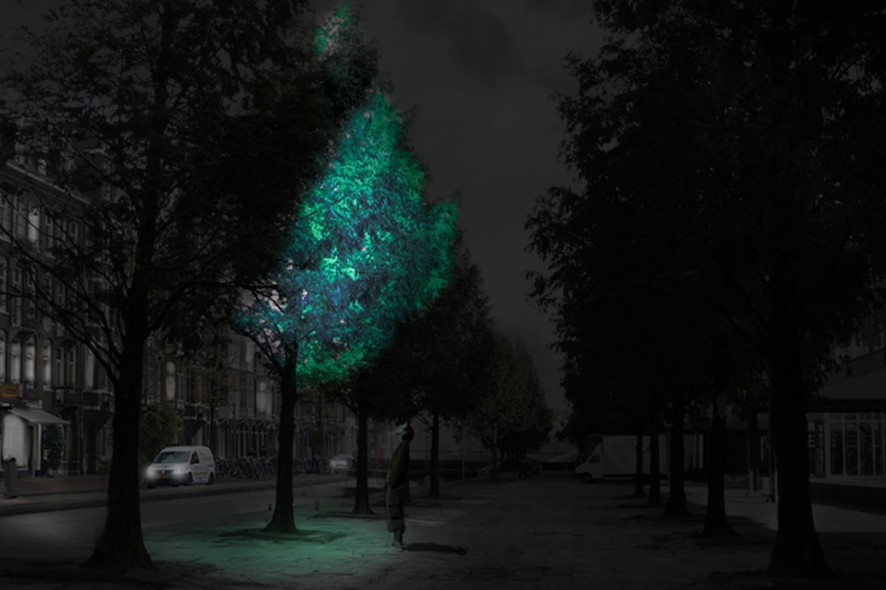
“Biomimetic science studies how to transfer to the artificial world biological processes that naturally happen in nature. Man is inspired by nature and by imitating it can find solutions to various problems. The first person to refer to biomimetics was Leonardo Da Vinci when in his studies on flying machines he was inspired by how birds fly. Another example is the roof of the Crystal Palace in London, built in the mid-nineteenth century by the architect and botanist Joseph Paxton who was inspired by a water lily called Victoria Amazonica. But from the industrial revolution to now the scene has inevitably changed because the progress accomplished in the area of modern technology has brought new perspectives for connections between design and biology and offer new ways of interpreting nature.”
(Roberto Panzarani – centodieci.it) Continue reading “Biomimetics, a new science.”
Light in philosophy
Are we sure about what light really is? The word ‘light’ which originates from Greek refers to the root of the verb ‘to show’, ‘to portray’. For the ancient Greeks, light guided human intellect to truth, just like a lighthouse guides lost sailors to safety. Continue reading “Light in philosophy”
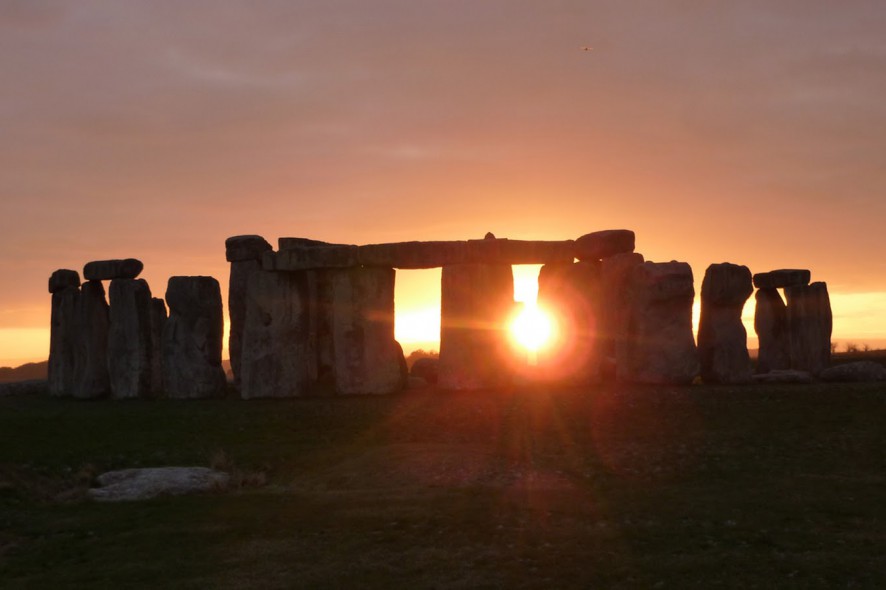
When is the summer solstice?
Let’s open this small tribute with the influential opinion of Manuel Mazzoleni, 3bmeteo.com: “The debate about the beginning of summer between meteorologists and astrophysicists is over. Continue reading “When is the summer solstice?”
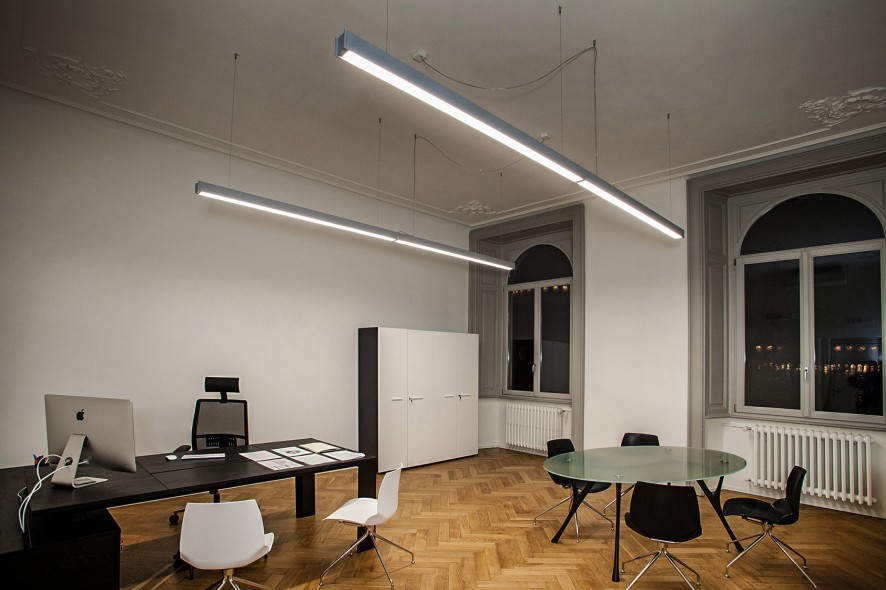
Light for the office.
Many of us spend the day stuck to the screen, either big or small. And if the work environment is not lit as it should, fatigue doubles. Continue reading “Light for the office.”
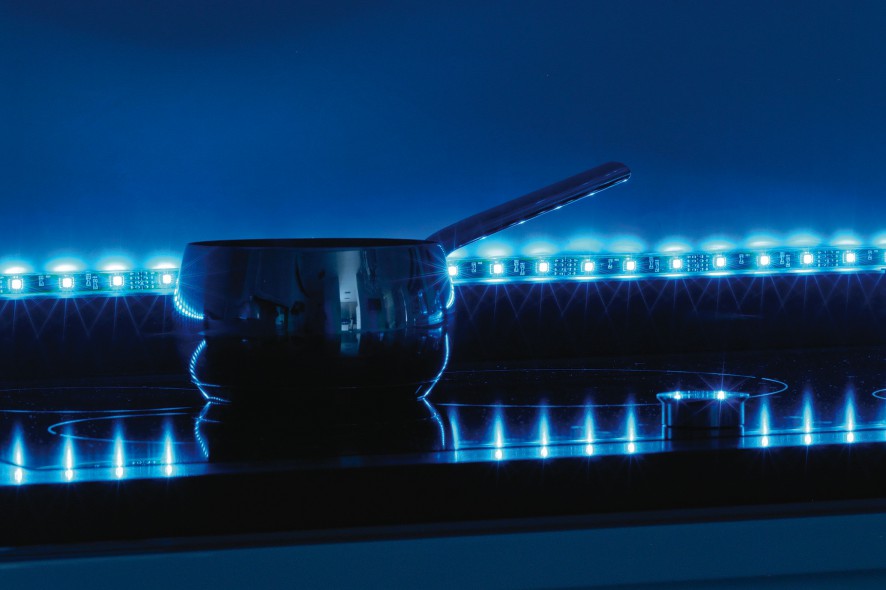
Be cured through colors
Taking care of one’s health through colours: this is the principle of chromotherapy, which is part of the therapeutic techniques of holistic or natural medicine, but whose origins are very remote. Continue reading “Be cured through colors”
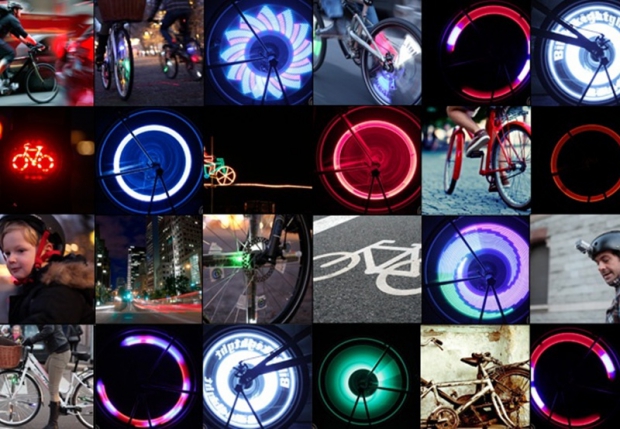
Ride at night, nice story!
“After an accident, where I said goodbye to my motorbike, driving license and the ligaments of a knee, they gave me a bike as a present for the rehabilitation of my leg and because it was the only means I could use. Continue reading “Ride at night, nice story!”
Special guest: Edward Hopper
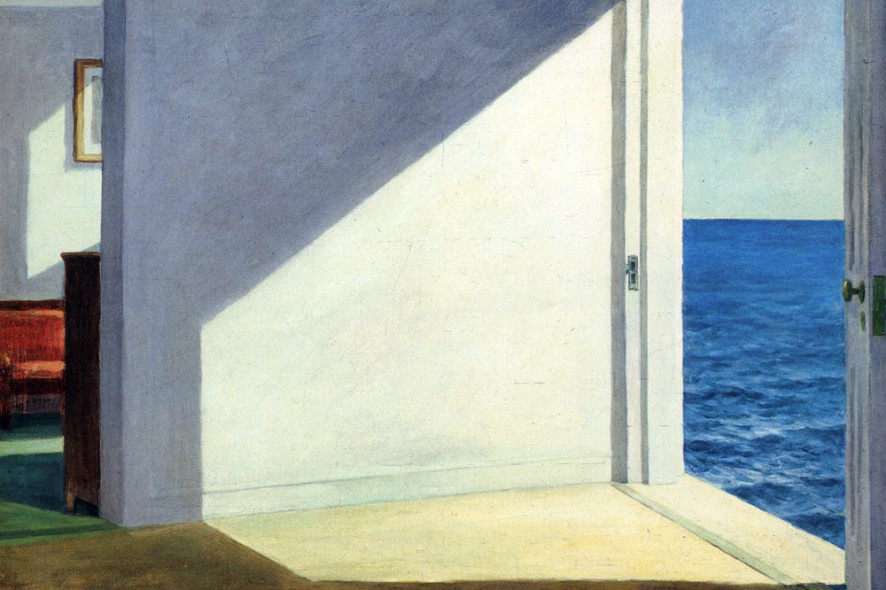
Our section devoted to light in the art field could not but give a special attention to Edward Hopper (1882-1967): the painter of light, silence and solitude, who was able to represent the fixity of the American province masterfully. Continue reading “Special guest: Edward Hopper”

English